
Cooling · September 1, 2026 · By Doug Kelley, Master Licensed HVAC Technician
Mitsubishi Mini-Split Blinking? What the Lights Mean and What to Do
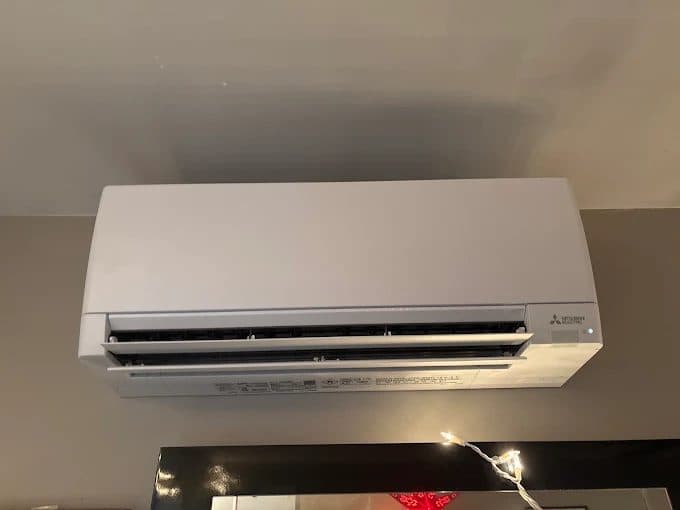
A Mitsubishi mini-split that stops running and starts blinking its indicator lights is not broken so much as talking: the blink pattern is a fault code. The patterns vary by model, so the specific meaning lives in your unit's documentation, but the response steps are the same for nearly all of them. Here is the honest owner's playbook.
Step one: the full reset
Electronics glitch, and inverter systems are electronics. Switch the system off at the remote, then kill power at the breaker for a full five minutes, then restore and restart. A meaningful share of blinking episodes are one-time hiccups that never return after a proper reset. If the blinking comes back, the fault is real, and the pattern is now worth writing down: which lights, how many flashes, in what rhythm.
Step two: the filters, honestly
Pull the front panel up and slide out the washable screens. If you can barely see light through them, there is a decent chance you have found your problem: starved airflow trips protective faults, ices coils, and overworks blowers. Rinse them, let them dry, and run the system again. Mini-split filters want cleaning monthly in heavy use, and it is two minutes of work that prevents a remarkable share of service calls.
What the real faults usually are
When a reset and clean filters do not clear it, the common culprits we find are condensate float switches tripped by a clogged drain line, communication errors between indoor and outdoor units, sensor failures, and refrigerant loss at flare connections, the classic weak point of rushed installations. Each reports through the blink codes, and each is a normal repair for a technician with the right tools and refrigerant certification.
What not to do
- Do not keep power cycling it every few hours to squeeze out cooling; running through a real fault can turn a small repair into a compressor
- Do not open refrigerant connections or gauge ports; that is licensed work by law and easy to make worse
- Do not pressure wash the outdoor unit; a gentle garden hose rinse is the limit
- Do not ignore water dripping from the indoor head; that is a drain problem about to become a drywall problem
The prevention plan
Nearly every blinking-light call traces back to maintenance: dirty filters, dirty blower wheels, clogged drains, or flare connections seeping since installation day. An annual professional service, coils and blower cleaned, drains cleared, charge and connections verified, keeps a Mitsubishi at rated capacity and keeps the lights solid. We install and service Mitsubishi across the upper Eastern Shore, and if yours is blinking right now, note the pattern and call or text (443) 310-0206. General guidance only; your unit's own documentation and a licensed technician have the final word.